

The evolution of gambling A deep dive into its historical roots
The evolution of gambling A deep dive into its historical roots
The Origins of Gambling
The concept of gambling dates back thousands of years, with its origins rooted in various ancient civilizations. Archaeological evidence suggests that the earliest forms of gambling can be traced to China around 2300 BC, where rudimentary games of chance were played using knuckle bones and sticks. Similar activities were observed in ancient Rome and Greece, where betting on gladiatorial contests and chariot races became popular. These early forms of gambling set the stage for the development of more complex systems that would evolve over the centuries. Many players today are exploring a newly launched online casino to experience the excitement of modern gaming.

The motivations behind gambling have always been varied, ranging from entertainment to the pursuit of wealth. In many ancient cultures, games of chance were not only seen as a method for amusement but also as a means of divination. The intertwining of luck and fate in these early games laid the groundwork for the complex relationship humans have with gambling today, which has significant financial implications as well.
The Rise of Gambling in the Middle Ages
During the Middle Ages, gambling underwent significant changes, becoming more formalized and structured. This period saw the emergence of various card games and the establishment of gambling houses, particularly in Europe. The advent of playing cards in the 14th century revolutionized gambling, leading to the creation of new games such as poker and blackjack. These developments not only increased the popularity of gambling but also introduced a sense of social status associated with being a skilled gambler.
Furthermore, gambling during this time often intersected with social gatherings and festivities, making it a staple of community life. Despite the occasional disapproval from religious institutions, which viewed gambling as morally questionable, the practice continued to thrive, adapting to the cultural contexts of different regions.
The Transformation During the 19th Century
The 19th century marked a pivotal era in the history of gambling, driven by significant societal changes and technological advancements. The industrial revolution brought about an increase in urbanization, and with it, a rise in leisure activities including gambling. The establishment of horse racing tracks and the introduction of state-sponsored lotteries became prominent, as governments began to recognize the potential revenue from gambling.
Additionally, the introduction of slot machines in the late 1800s added a new dimension to gambling, making it accessible to a broader audience. These machines, initially designed for amusement, soon evolved into a major source of revenue for casinos. The transition from informal betting to organized gambling establishments paved the way for the modern casino experience we know today.
The Digital Revolution and Online Gambling
As technology advanced in the late 20th century, gambling underwent yet another transformation with the advent of the internet. The first online casinos emerged in the mid-1990s, creating a new platform for gamblers to engage with their favorite games from the comfort of their homes. This digital shift not only democratized access to gambling but also allowed for a greater diversity of games and betting options.
The rise of mobile technology further propelled online gambling, making it more convenient and engaging. Gamblers could now place bets on-the-go, leading to a surge in participation. With the introduction of cryptocurrencies and blockchain technology, the landscape of online gambling is continually evolving, promising exciting changes for the future of the industry.
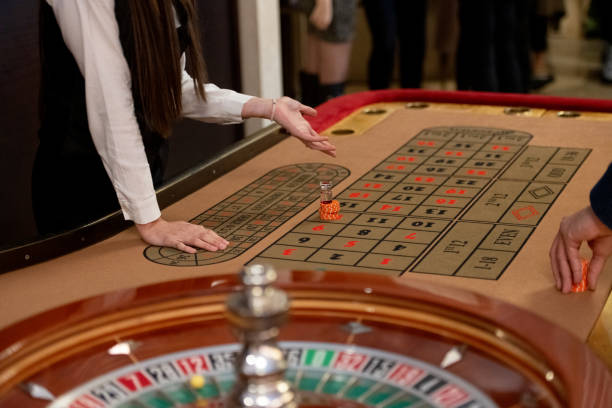
Understanding the Contemporary Gambling Landscape
Today, gambling is a global phenomenon, encompassing various forms including online platforms, sports betting, and traditional casinos. With a myriad of options available, understanding the gambling landscape is essential for both casual and serious players. The industry is heavily regulated in many jurisdictions, aiming to protect players while ensuring fair play.
As the online gambling sector grows, so does the need for reliable resources and guidance. Players can benefit from expert reviews and comparisons of different gambling sites to make informed choices. Engaging with reputable platforms enhances the gaming experience, providing players with safety, fair opportunities, and exciting promotions.
